RhodiClicks
Blog

January 15, 2026

How To Explore RhodiClicks

Start with a continent, follow the map to a country and city, then open the gallery behind the story.
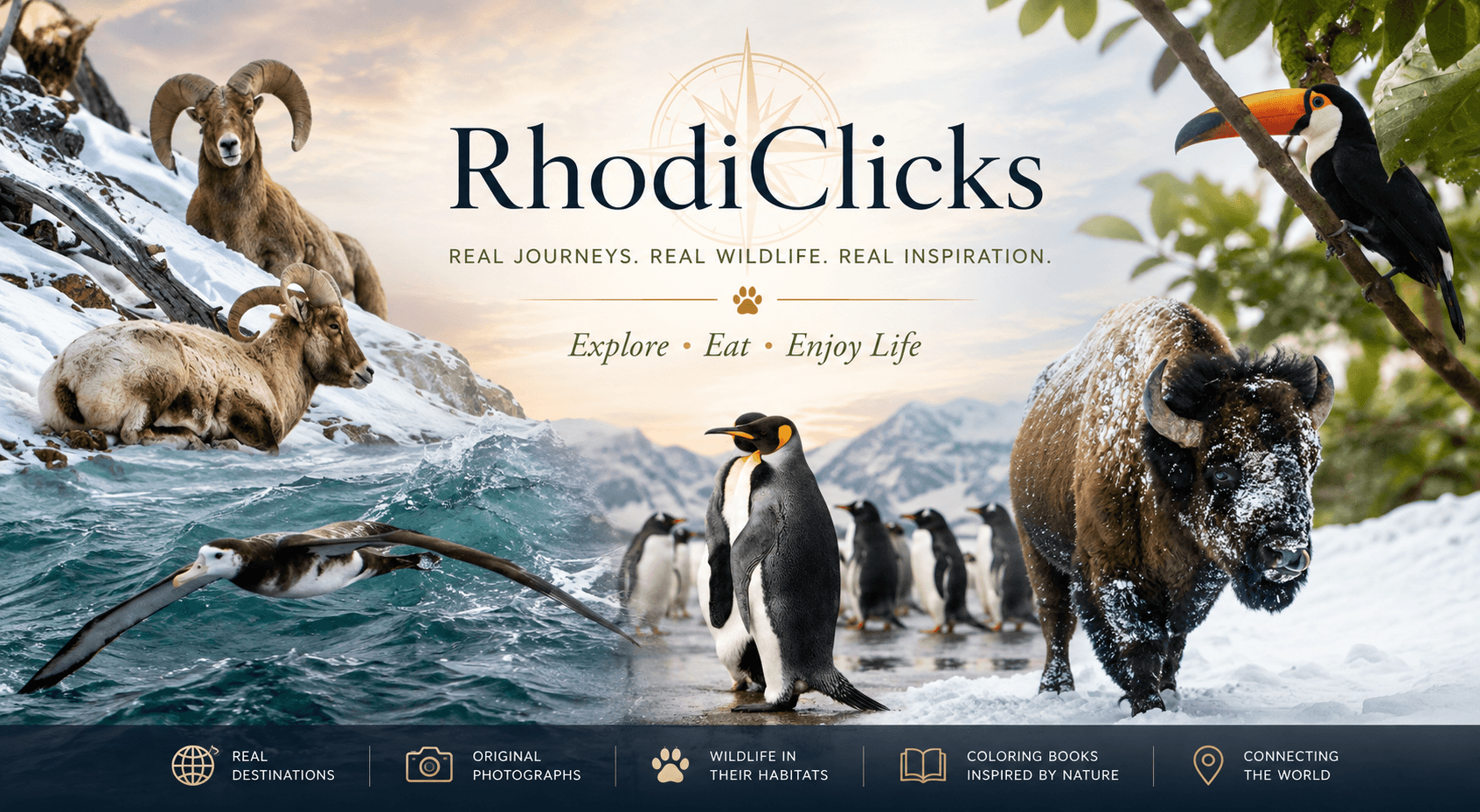
RhodiClicks banner showing wildlife, destinations, photography, and coloring book inspiration.

RhodiClicks is organized around geography because every coloring book is inspired by real travel experiences. The journey begins with a world map, then narrows through continents, countries, and cities, where visitors can explore the places I have traveled, the wildlife I have encountered, and the coloring books inspired by those adventures.

Within each destination, you will also find original photographs I personally captured of animals in their natural habitats. These real-life images allow visitors to see the wildlife as I experienced it before bringing those animals to life as coloring book illustrations. I typically do not photograph animals in zoos or other confined settings. For me, it is important to observe and photograph wildlife where it naturally lives.

This structure keeps every coloring book connected to its real-world origins. While each coloring page can be enjoyed on its own, the experience becomes even more meaningful when readers can discover where an animal lives, view photographs from the actual journey, learn fascinating facts about the species, and explore the destinations that inspired the coloring book.

RhodiClicks is designed to inspire curiosity, encourage travel, and deepen an appreciation for wildlife and the remarkable places these animals call home.

What Comes Next

The first book page features Capybara Adventures. Over time, each new coloring book will have its own page with a purchase link, information about the featured animal, photographs, and connections to the places on the RhodiClicks map.

The goal is to build a collection that brings together travel, photography, wildlife, education, and creativity, all inspired by real journeys and the animals encountered along the way.

Gallery

The photos below are real photographs I captured during my travels, then used as inspiration for the AI-rendered composite image you see at the top of the page.
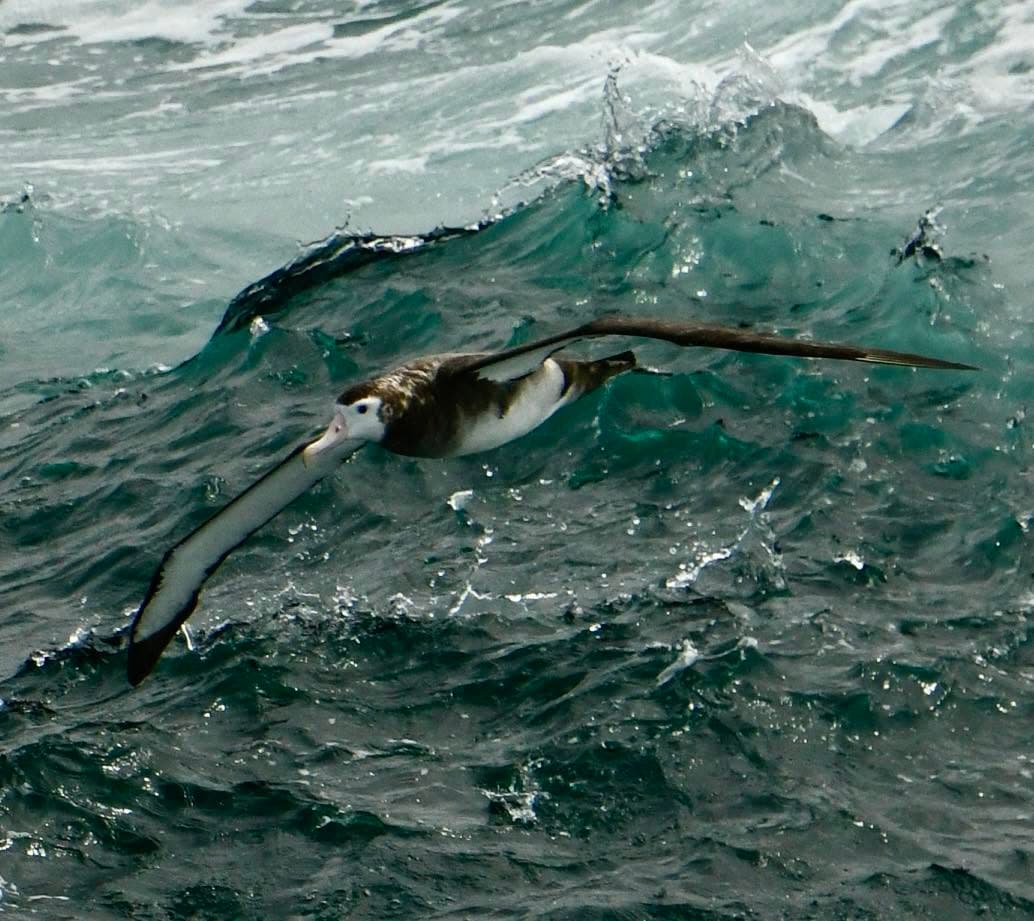
An albatross flying low over the sea.
We spotted this wandering albatross while cruising through the Chilean Fjords on our journey toward the Drake Passage and Antarctica. Masters of the open ocean, wandering albatrosses spend much of their lives soaring above the sea, using the wind to glide enormous distances with barely a flap of their wings. With the largest wingspan of any living bird, reaching up to about 11 feet, they seem perfectly at home riding the powerful winds and waves of the Southern Ocean.
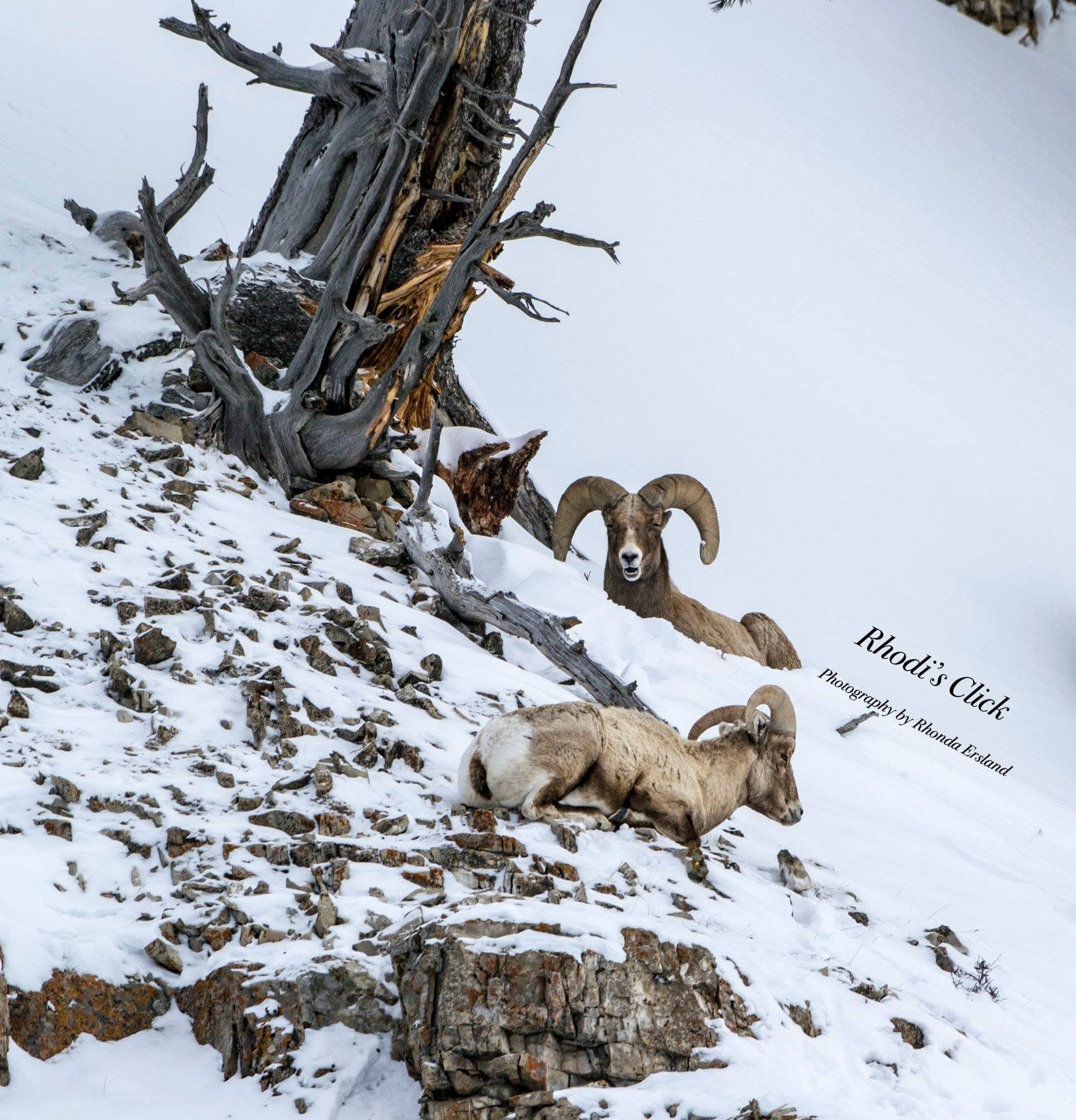
Bighorn sheep standing in a mountain landscape.
High on a snowy hillside in Yellowstone, these bighorn sheep seem perfectly at home among the rocks and rugged terrain. Their powerful legs and sure footing allow them to navigate steep mountain slopes, while the rams' impressive curved horns make them one of the park's most recognizable winter residents.
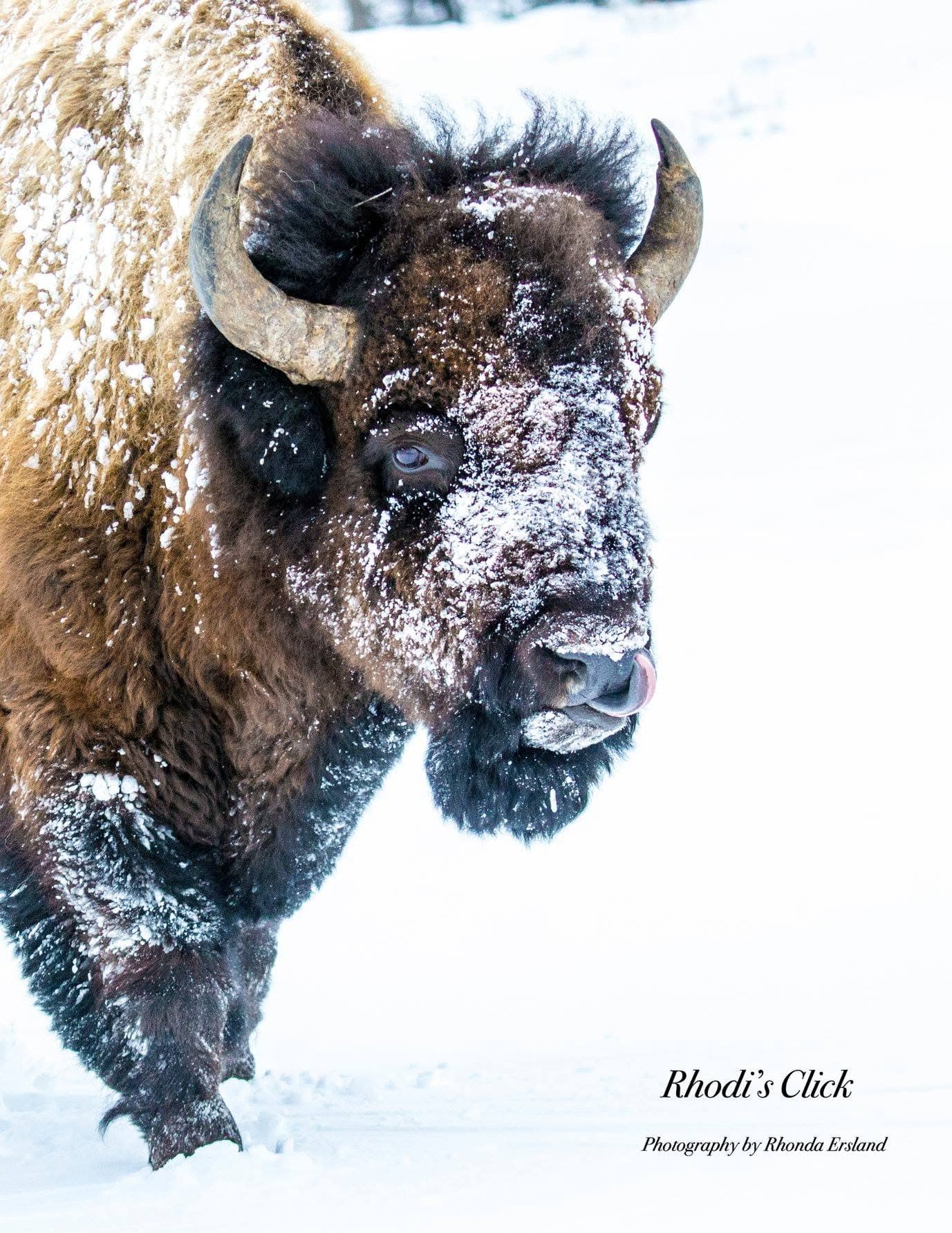
A bison standing in a snowy landscape.
After burying his massive head deep in the Yellowstone snow in search of food, this bison lifted his head and shook off the powder. Snow clung to his face and thick winter coat, a perfect glimpse of how these powerful animals endure Yellowstone's harsh winters.
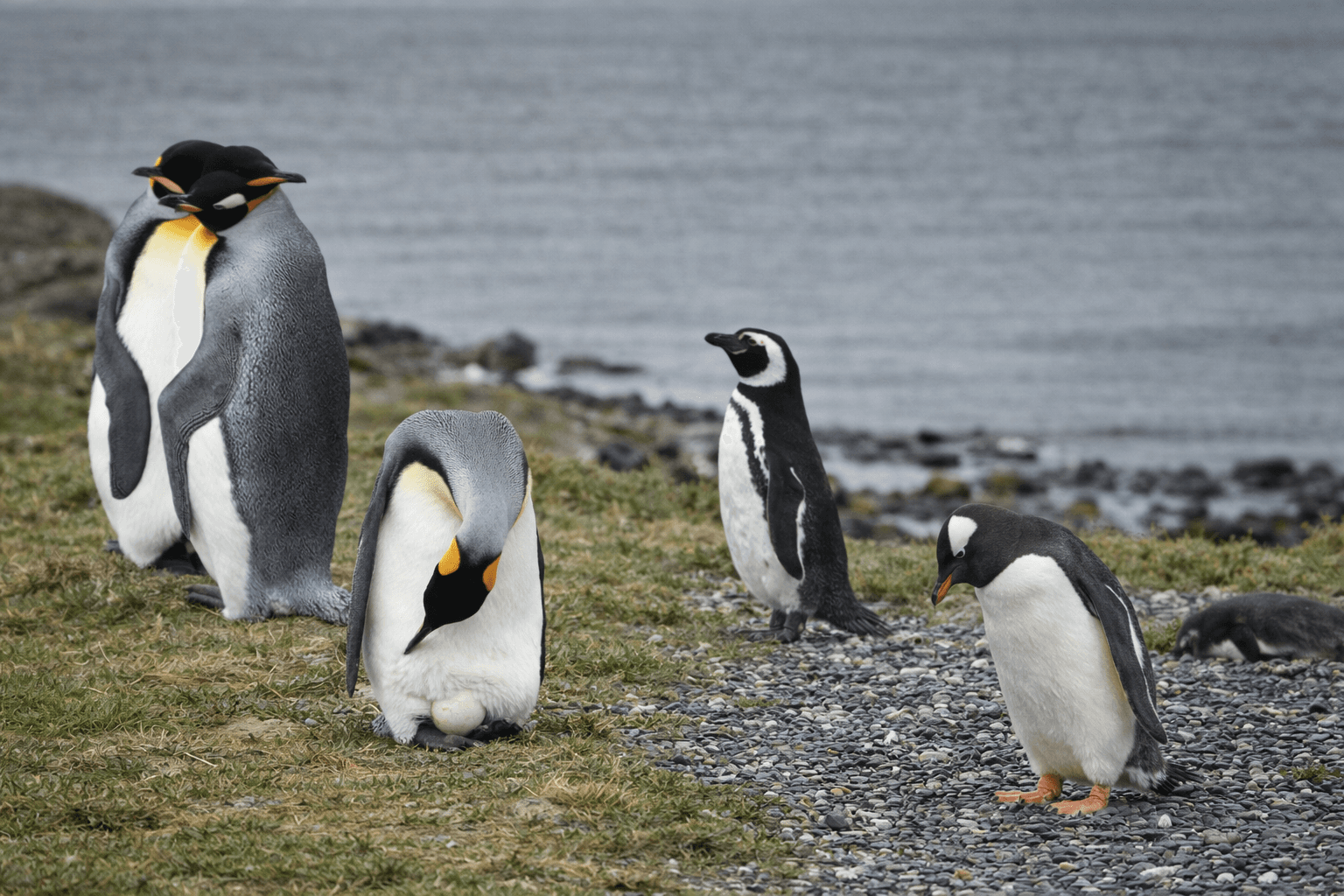
A king penguin protecting an egg.
This AI-generated composite brings together three penguin species I was fortunate enough to capture with my camera during our journey south. From left to right are King penguins, seen in the Falkland Islands; Magellanic penguins, photographed on Magdalena Island in the Strait of Magellan; and Gentoo penguins, encountered in the Beagle Channel as we continued toward Antarctica. Three very different penguins, three unforgettable encounters, and one incredible journey toward the bottom of the world.
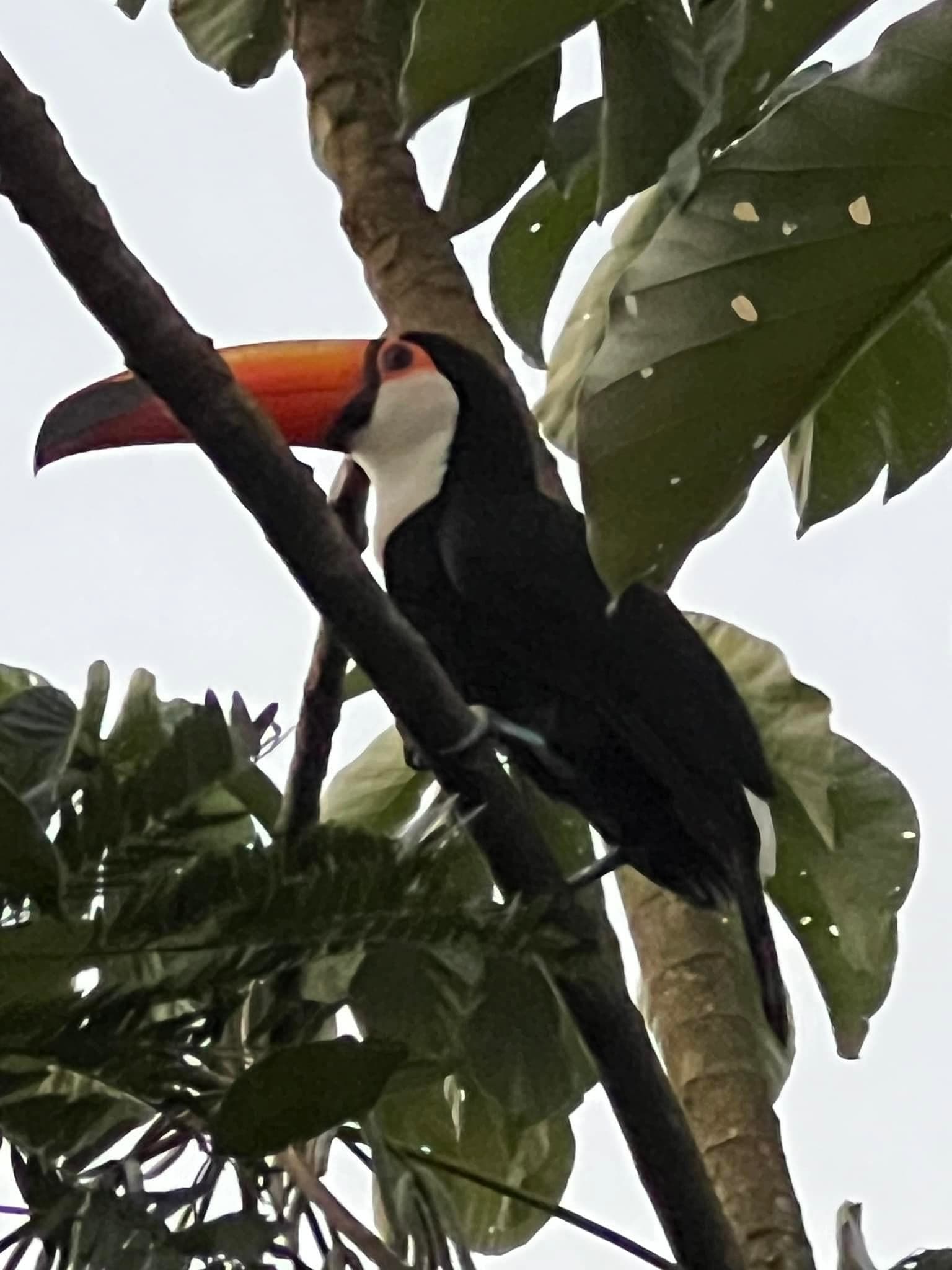
A toucan perched among branches.
While we were dining at our villa at Awasi Iguazu, surrounded by the lush Atlantic Rainforest near Iguazu Falls in Argentina, this colorful Toco Toucan appeared in the trees nearby. I grabbed my iPhone, and instead of flying away, he simply sat there as if posing for the camera. Sometimes the best wildlife encounters happen when you least expect them; all you have to do is click.